FireBeetle 2 ESP32-S3 AIoT Development Board

SKU: DFR1145

FireBeetle 2 ESP32-S3(N4) is a low-power AIoT development board using Espressif ESP32-S3-WROOM-1-N4 (dual-core 240MHz, 4M FLASH). It supports Wi-Fi/Bluetooth 5.0 + Mesh, AI acceleration for low-compute edge tasks (voice/text/sensor recognition). Key features: rich peripherals, dual power (USB/lithium), multiple programming (Arduino, MicroPython), compact (25.4x60mm, stamp hole). Ideal for IoT/AIoT (home automation, prototyping).

Board Overview of FireBeetle 2 ESP32-S3 (N4) IoT Microcontroller
  • Docs
  • Tech Specs
  • Tutorials
  • Projects
  • Specification

    Basic Parameters

    Parameter Details
    Input Voltage - USB-C interface: 5V DC
    - PH2.0 interface: 3.7V Li-ion
    - VCC pin: 5V DC
    Interface FireBeetle V2 series compatible
    Module Size 25.4mm × 60mm
    Weight 23.4g

    Hardware Information

    Parameter Details
    Processor Xtensa® dual-core 32-bit LX7 microprocessor
    Clock Frequency 240 MHz
    SRAM 512KB
    ROM 384KB
    Flash 4MB
    RTC SRAM 16KB
    USB USB 2.0 OTG full-speed interface

    WIFI

    Parameter Details
    WIFI Protocol IEEE 802.11b/g/n
    WIFI Bandwidth 2.4 GHz band supports 20 MHz and 40 MHz bandwidth
    WIFI Modes Station mode, SoftAP mode, SoftAP+Station mode, and mixed mode
    WIFI Frequency 2.4GHz
    Frame Aggregation TX/RX A-MPDU, TX/RX A-MSDU

    Bluetooth

    Parameter Details
    Bluetooth Protocol Bluetooth 5, Bluetooth mesh
    Bluetooth Frequency 125 Kbps, 500 Kbps, 1 Mbps, 2 Mbps

    Interface Pins

    Parameter Details
    Digital I/O x26
    SPI x2
    UART x3
    I2C x2
    I2S x2
    LED PWM controller 8 channels
    Infrared transceiver 5 transmission channels, 5 reception channels
    SAR ADC 2 × 12-bit, 20 channels
    DMA controller 5 reception channels, 5 transmission channels

    Pinout

    Board Overview

    Board Overview

    Name Details
    Type-C Type-C USB port
    21/D13 onboard LED pin
    47/D14 onboard button pin
    ESP32-S3 ESP32-S3-WROOM-1-N4 module
    BOOT Boot button
    ETA6003 ETA6003 Li-ion Battery Charging Managment chip
    Charge Charging indicator
    > Off: not plugged in power supply or fully charged
    > On: charging
    > Blinking: battery not connected
    GDI GDI display interface

    Pin Diagram

    Pinout

    Pin Definition

    Pin Type Description
    GPIO general input/output
    Analog analog input pin
    ADC analog to digital conversion
    TOUCH touch pin
    SPI SPI interface
    I2C I2C interface
    UART UART interface
    USB USB interface
    JTAG debug interface
    3V3 3.3V stable output
    VCC power input/output
    > Input: 5V DC input for powering FireBeetle (Cannot charge Li-ion battery)
    > Output: output USB voltage when powered by 5V-USB; output battery voltage when powered by 3.7V Li-ion battery
    GND common ground pin

    GPIO Configuration

    GDI Display Interface

    This interface is a DFRbot dedicated GDI display interface for connecting a screen using a 18pin-FPC wire.

    The pin list for using GDI camera interface is shown below:

    FPC PINS ESP32 S3 Pins Description
    VCC 3V3 3.3V
    LCD_BL GPIO21 Backlight
    GND GND GND
    SCLK GPIO17 SPI clock
    MOSI GPIO15 Host output, slave input
    MISO GPIO16 Host input, slave output
    LCD_DC GPIO3 Data/command
    LCD_RST GPIO38 Reset
    LCD_CS GPIO18 TFT Chip Select
    SD_CS GPIO9 SD card chip select
    FCS GPIO7 Font library chip select
    TCS GPIO12 Touch chip select
    SCL GPIO2 I2C clock
    SDA GPIO1 I2C data
    INT GPIO13 INT
    BUSY GPIO4 Tearproof pins
    X1 NC custom pin 1
    X2 NC custom pin 2

    Displays that support GDI:

    Other Pin

    Function ESP32 S3 Pins
    USB D- GPIO19
    USB D+ GPIO20
    LED GPIO21
    User Key GPIO47
    Boot Key GPIO0

    Arduino Pin Map

    Name ESP32 S3 Pins
    D2 GPIO3
    D3 GPIO38
    D5 GPIO7
    D6 GPIO18
    D7 GPIO9
    D9 GPIO0
    D10 GPIO14
    D11 GPIO13
    D12 GPIO12
    D13 GPIO21
    D14 GPIO47
    A0 GPIO4
    A1 GPIO5
    A2 GPIO6
    A3 GPIO8
    A4 GPIO10
    A5 GPIO11
    TX GPIO43
    RX GPIO44
    SDA GPIO1
    SCL GPIO2
    SS GPIO10
    MOSI GPIO15
    MISO GPIO16
    SCK GPIO17

    1. FLASH Download Tool

    This tutorial offers a detailed guide on using Flash Download Tools for firmware burning on ESP32 chips, covering tool download, module connection, controller selection, and bin file burning.

    2. ESP32 Arduino Tutorial

    The ESP32 Arduino General Tutorial helps users master various ESP32 APIs from basic to advanced in the Arduino environment, enabling development and debugging of ESP32 applications.

    3. ESP32 MicroPython Tutorial

    This tutorial offers a comprehensive guide on installing MicroPython on ESP32, including firmware download, board compatibility, and practical coding examples, along with a detailed exploration of LVGL for interactive UI creation.

    4. ESP32 PlatformIO Tutorial

    The tutorial guides you through using PlatformIO with ESP32, covering installation, project setup, and code upload, highlighting its efficiency over Arduino IDE.

    5. ESP32 ESP-IDF Tutorial

    This tutorial provides a detailed guide on using ESP-IDF for ESP32 development, covering installation methods, compiling and flashing projects, and utilizing components and libraries.

    FAQ

    • Drive multiple servos in the same time

      If you can't drive multiple servos at the same time using the servo library in Basic Tutorial. Please use the ESP32-AnalogWrite library.
    • Hey, what will cause burning error?

      There is no delay or too short delay in Loop.

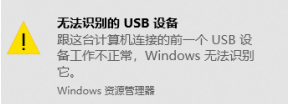
      The USB cannot be recognized by the PC as some functions are incorrectlly called.

      How to solve

      Press Boot, press RST and release both, then try burning again.

    Explore More Related Questions >

    Was this article helpful?

    TOP